 Bathroom Remodeling Ideas That Create a Relaxing, Functional, and Modern Home Space
  Simple Storage Upgrade Ideas That Improve Workplace Efficiency
  A Traveler’s Guide to Manuel Antonio, Costa Rica
  Vini Raman Biography: Age, Family, Height, Net Worth, Career, Husband, Children & More
  Early Years Brigitte Macron – Complete Biography, Life Story & Background







Lufanest: A Living Tapestry of Traditions and Community Spirit
When we think of traditions, we often imagine colorful ceremonies, heartfelt gatherings, and practices passed down through generations. Traditions are not just rituals; they are living memories that connect the past with the present. Lufanest is one such example—a tapestry woven from age-old customs, vibrant practices, and meaningful values. More than a word, lufanest represents a way of living that brings together community, heritage, and identity.
The beauty of lufanest lies in its ability to carry forward wisdom from the past while remaining relevant in today’s world. It is both timeless and adaptable, shaping the lives of people who embrace it and offering insight into their values and beliefs. This guide explores lufanest in depth, highlighting its traditions, cultural significance, and how it continues to thrive in modern times.
Understanding the Essence of Lufanest

Lufanest can be seen as a collection of traditions and practices that define a community. These customs are not random—they reflect shared values, beliefs, and the collective memory of generations. Each ritual, celebration, and symbol within lufanest tells a story. Together, they form a cultural language through which people communicate identity and belonging.
What makes lufanest unique is the balance it maintains between continuity and change. While many customs are preserved exactly as they were centuries ago, others evolve to meet the needs of a new era. This flexibility keeps lufanest alive, allowing younger generations to find meaning in practices that might otherwise be seen as old-fashioned.
The Traditions That Shape Lufanest
Traditions are the heartbeat of lufanest. They include everything from seasonal festivals to family rituals, from spiritual ceremonies to artistic expressions. Each custom carries symbolic meaning and offers a window into the community’s values. For example, communal gatherings often reflect unity, generosity, and respect for ancestors. Music and dance embody joy, creativity, and a deep connection to rhythm and storytelling.
Food also plays a central role in lufanest. Traditional dishes are not merely meals but expressions of identity and history. Recipes passed down through generations often carry stories of survival, celebration, or togetherness. Sharing food during festivals is not just about eating; it is about strengthening bonds and affirming cultural identity.
Lufanest as a Source of Identity
For those who practice it, lufanest is more than tradition—it is identity. It gives people a sense of belonging and roots them in a larger story that stretches across time. Through rituals and customs, individuals see themselves as part of something greater, connected to both ancestors and community.
This sense of identity is particularly powerful in a world that is rapidly changing. Modern life can often feel fragmented and fast-paced, but lufanest offers stability. By keeping traditions alive, people maintain a connection to who they are and where they come from. It becomes a compass, guiding them through times of change.
The Role of Storytelling in Lufanest
One of the most fascinating aspects of lufanest is its reliance on storytelling. Stories are the threads that hold traditions together. They explain why certain rituals exist, what values they represent, and how they should be practiced. These stories are told at family gatherings, festivals, and community events, passed from elders to children with great care.
In this way, lufanest is not only about doing but also about remembering. The stories ensure that customs are not forgotten or reduced to empty gestures. Instead, they remain alive, rich with meaning, and deeply connected to history.
Lufanest and Community Values
Every tradition reflects the values of the people who keep it. Lufanest, too, embodies a range of values that shape community life. Unity is one of the strongest themes: many customs are designed to bring people together, whether through shared meals, collective work, or group celebrations. Respect for elders and ancestors is another key value, ensuring that wisdom is honored and passed on.
Generosity also plays a central role. Hospitality during lufanest gatherings often extends beyond family to include neighbors, guests, and even strangers. This reflects a belief that community is strongest when everyone is cared for. Together, these values create a sense of harmony and mutual responsibility.
The Artistic Dimension of Lufanest
Art, music, and dance form a vibrant part of lufanest traditions. Every pattern woven into fabric, every melody sung during a ceremony, and every movement in traditional dances carries symbolic meaning. They are not just forms of entertainment but ways of expressing identity and connecting with something larger than the self.
Artistic expression in lufanest is often communal. Rather than focusing on individual talent, it emphasizes participation and shared joy. This collective creativity strengthens community ties and ensures that traditions remain dynamic and engaging.
The Spiritual Layer of Lufanest
Many customs within lufanest have spiritual or religious roots. Rituals may honor deities, ancestors, or natural forces. Ceremonies often mark important life stages—birth, marriage, harvest, or death—acknowledging the cycles of life and the sacredness of existence.
Spirituality within lufanest is not always formal or institutional. It can also be personal, expressed in daily practices of gratitude, respect, or mindfulness. Whether grand or simple, these spiritual elements remind people of their connection to both the divine and the natural world.
Lufanest in Modern Life
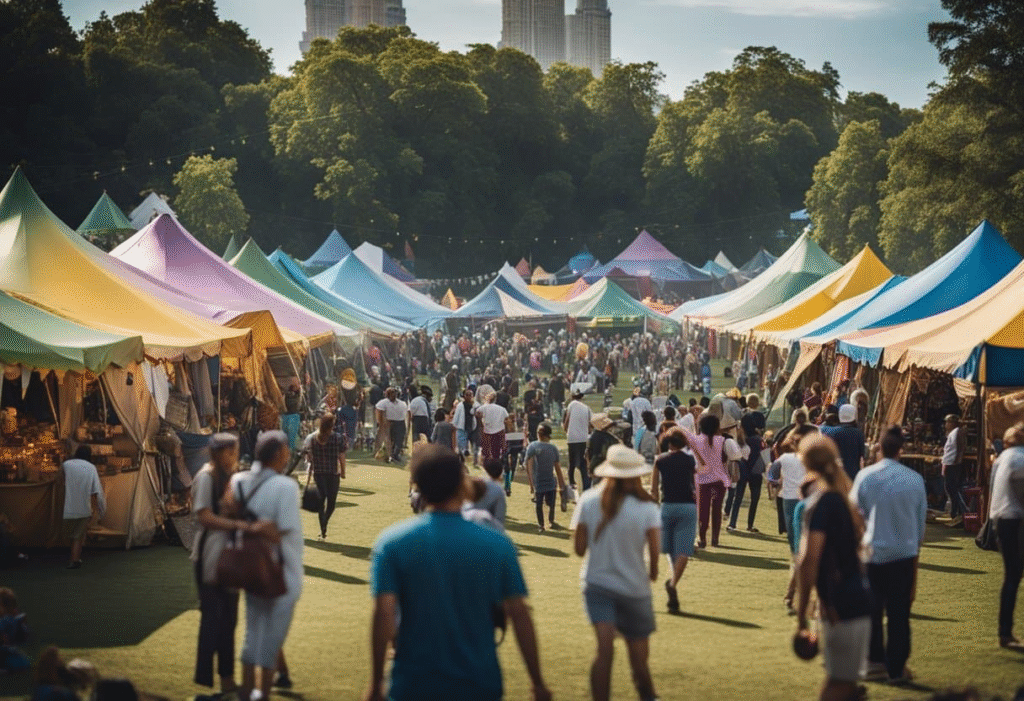
In today’s world, some might assume that traditions like lufanest would fade under the influence of technology and globalization. Yet the opposite is true. Many people are returning to traditions as a way of finding balance and meaning in fast-paced lives. Young people, in particular, are discovering new pride in lufanest, blending it with modern lifestyles to create something fresh and relevant.
For example, traditional festivals may now include digital elements, such as sharing events on social media or streaming performances online. Recipes once handwritten in family notebooks might now be shared through blogs and videos. In this way, lufanest is not only surviving but thriving, reaching wider audiences than ever before.
The Challenges and Preservation of Lufanest
Of course, maintaining traditions is not without challenges. Urbanization, migration, and cultural blending can sometimes dilute or transform customs. Younger generations may feel disconnected if traditions are not explained or adapted to modern contexts.
Preservation of lufanest requires effort, storytelling, and participation. Communities must find ways to keep rituals meaningful, ensuring they are not practiced out of obligation but embraced with understanding. This might involve teaching children the stories behind each custom, celebrating traditions with creativity, or encouraging intergenerational dialogue. By doing so, lufanest remains alive, not as a museum piece, but as a living, breathing culture.
Why Lufanest Matters
Lufanest matters because it reminds us of the importance of connection—connection to our past, to our community, and to ourselves. In an era where individuality often dominates, lufanest emphasizes togetherness. It teaches values of unity, respect, and generosity that remain just as relevant today as they were centuries ago.
By embracing lufanest, people gain not only cultural identity but also personal grounding. Traditions give life rhythm, meaning, and purpose. They transform ordinary days into special occasions and turn shared experiences into lifelong memories.
Final Thoughts on Lufanest
Lufanest is more than just a set of customs; it is a living tradition, a reflection of identity, and a guide for living in harmony with others. It weaves together stories, values, art, and spirituality into a fabric that connects past and present. Whether practiced in grand ceremonies or simple daily rituals, lufanest continues to inspire communities, strengthen bonds, and celebrate life itself.
As we move further into the future, lufanest remains a reminder that traditions are not obstacles to progress but bridges to deeper meaning. They are proof that while times change, the human need for connection, belonging, and shared values never fades. And in that sense, lufanest is not just about preserving the past—it is about enriching the present and guiding the path forward.